Foundational and Critical Perspectives in Legal Theory and Education: A Comprehensive Review of Essential References Executive Summary This report synthesizes foundational and critical perspectives in legal theory and legal education, drawing upon key historical and contemporary academic sources. It aims to provide a robust framework for understanding the evolution of legal thought, persistent critiques of traditional legal paradigms, and the imperative for interdisciplinary approaches in modern legal understanding and practice. The report covers classical theories from A.V. Dicey, Jeremy Bentham, and Oliver Wendell Holmes Jr., examining their contributions and the challenges they faced, including critiques of legal formalism and black-letter law. It further explores the profound critiques of legal education, notably by Duncan Kennedy, and culminates in an exploration of socio-legal studies and interdisciplinary integration as vital pathways for a more comprehensive and socially respon...
10 Must-Read Books for Every Indian Law Student: Your Essential Legal Library 10 Essential Reads for Every Indian Law Student: A Comprehensive Guide to Building a Strong Legal Foundation Legal education in India is a rigorous and transformative journey, demanding a profound engagement with foundational texts that shape understanding, analytical prowess, and professional competence. These carefully selected books serve as indispensable guides, laying the groundwork for complex legal concepts and their practical application. They are crucial not only for achieving academic success in university examinations and competitive judiciary exams but also for cultivating the intellectual discipline and ethical framework indispensable for a successful legal career. The depth of knowledge gained from these authoritative sources forms the bedrock upon which future legal expertise is built. A Note...
Negotiable Instruments Act, 1881 – Key Concepts, Section 138 & Legal Remedies Author: Harsh Katheriya, Lawyer Legal Researcher | Law Content Creator | Legal Awareness Blogger What is the Negotiable Instruments Act, 1881? The Negotiable Instruments Act, 1881 is a significant legislation in Indian commercial law that governs financial instruments such as promissory notes , bills of exchange , and cheques . These instruments are crucial for secure and efficient transactions in daily business and trade. What Are Negotiable Instruments? A negotiable instrument is a written document that promises or orders the payment of a fixed amount of money, which can be transferred to others. Types of Negotiable Instruments Instrument Meaning & Usage Promissory Note: - A written promise to pay a fixed amount to a specific person Bill of Exchange: - ...
How to Conduct Legal Research: A Step-by-Step Guide Effective legal research serves as the fundamental cornerstone of proficient legal practice, empowering legal professionals to construct compelling arguments, provide precise client counsel, and adeptly navigate the intricate legal landscape. This comprehensive guide outlines a systematic methodology for conducting legal research, spanning from the initial formulation of a research question to the final presentation of findings. I. Introduction to Legal Research Legal research is an indispensable skill in the legal profession, underpinning the development of sound legal strategies and the delivery of accurate advice. It is the process by which legal professionals identify and retrieve information necessary to support legal decision-making, whether for litigation, transactional work, or policy analysis. The significance of thorough legal research is profound. It is crucial for establishing the credibility of legal arguments and w...
AIBE 20 Exam 2025 - Latest Legal News 📰 AIBE 20 Exam 2025: Notification, Eligibility, Dates & Full Details The Bar Council of India (BCI) is gearing up to conduct the All India Bar Examination (AIBE) 20 in December 2025. According to sources, the official notification is expected in the first or second week of July 2025. This crucial examination is a gateway for law graduates across India to receive the Certificate of Practice (CoP), a mandatory credential for practicing in Indian courts. 📌 What is AIBE? The All India Bar Examination (AIBE) is a national-level examination conducted by the Bar Council of India. It ensures that law graduates possess the basic skills and legal knowledge necessary to practice law in India. On passing this exam, candidates are awarded a Certificate of Practice by the respective State Bar Councils. 📅 Tentative Schedule Notification Release: July 2025 ...
I magine this: A packed courtroom. Silence hangs. The judge watches. The opposing counsel smirks. And suddenly— “Objection, My Lord!” Bang! That’s not just a courtroom move—that’s check on the legal chessboard. Believe it or not, advocates and chess players have more in common than black robes and black squares. From courtrooms to chessboards, it’s all about strategy, timing, and thinking five steps ahead. Still don’t believe it? Let’s put the Queen’s Gambit and Supreme Court face to face. 🎯 1. Strategy Over Strength: The Gopal Subramanium Way Top chess players and top lawyers don’t win by shouting—they win by thinking . Take Gopal Subramanium , former Solicitor General of India. His courtroom arguments? Precise. Sharp. Elegant. Just like a well-planned Sicilian Defense. He doesn't bombard the court with laws. He builds a position , like a chess grandmaster, and then—boom!—delivers the decisive point when the opponent least expects it. Chess lesson: Plan quietly. Strike ...
TOPIC CONTIBUTOR ZARANA Executive Summary: Yes, Balance is Achievable The demanding journey through law school often raises a critical question: is it truly possible to balance the rigorous academic demands with the imperative of maintaining mental health? The answer, unequivocally, is yes. While the legal education environment presents unique and significant challenges to well-being, achieving balance is not only possible but also essential for enduring success and personal fulfillment within the legal profession. This report acknowledges the documented high prevalence of stress, depression, and anxiety among law students, but it also illuminates a multi-faceted path forward. This path encompasses proactive self-care, the adoption of effective coping strategies, and the strategic utilization of robust support systems. Developing these crucial skills and habits during law school lays a vital foundation, equipping future legal professionals for a healthier, more resilient, a...
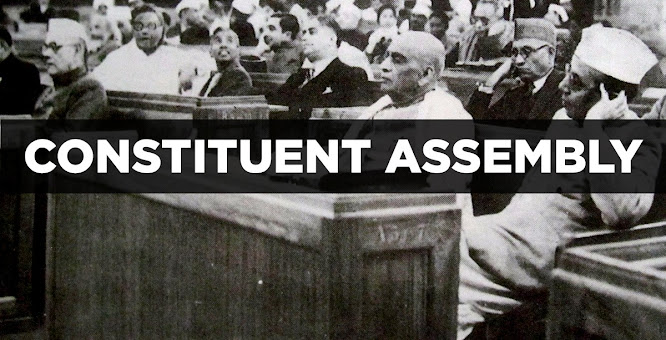
Constitutional Debates: Historical Context, Key Issues, and Comparative Perspectives I. Introduction: Understanding Constitutional Debates Constitutional debates represent a critical phase in the formation of any nation's foundational legal document. These are not mere procedural discussions but intensive periods of disagreement and negotiation among key stakeholders, deeply rooted in divergent political philosophies, visions for societal structure, and the fundamental distribution of power. The U.S. Constitutional Debates, for instance, saw the Founding Fathers grapple with seminal issues such as federalism, the nature of representation, and the scope of individual rights . This period vividly demonstrated the inherent tension between the desire to establish a robust national government capable of effective governance and the imperative to preserve the autonomy and rights of individual states . Similarly, the debates within the Indian Constituent Assembly were pivotal in shaping...
Comprehensive Analysis: Navigating the Complexities of Legal Employment for Law Students in India I. Executive Summary The Indian legal sector is currently experiencing a period of significant growth and transformation, driven by a dynamic economy, increasing cross-border transactions, and an escalating demand for specialized legal services. 1 This expansion paints a picture of a vibrant and evolving professional landscape. However, beneath this promising surface lies a profound and persistent challenge: a large proportion of law graduates in India face substantial difficulties in securing meaningful employment opportunities. Annually, over 100,000 individuals graduate with law degrees, yet a striking fewer than 2% manage to secure positions at the nation's most prestigious corporate law firms. 1 This disparity underscores a critical bottleneck at the entry point to the most coveted careers within the legal profession. The fundamental issue is not a simple scarcity of jobs, ...
Infographic: The Anatomy of a Constitution The Anatomy of a Constitution Born from crisis and forged in debate, constitutions are a nation's blueprint. Explore the intense negotiations, foundational compromises, and enduring legacies of the US and Indian constitutional debates. Nations by the Numbers 55 U.S. Delegates ~4 Months U.S. Drafting Time 284 Indian Assembly Members ~165 Days Indian Deliberation Days Two Paths to Democracy The scal...




Comments
Post a Comment